

Juniper Berries: Culinary and Medicinal Uses
- bayoubabeinc1
- Apr 27
- 4 min read
When I first discovered the unique charm of juniper berries, I was fascinated by their versatility. These small, blue-black berries are not just a flavorful addition to dishes but also hold a rich history in natural healing. If you’re curious about how to incorporate these gems into your kitchen and wellness routine, you’re in the right place. Let’s explore the many uses of juniper berries together, from cooking tips to their medicinal benefits.
Exploring the Uses of Juniper Berries in Cooking
Juniper berries have a distinct piney, slightly citrus flavor that can elevate many recipes. They are especially popular in European cuisine, where they add depth to meats, sauces, and even beverages. When cooking with juniper berries, it’s best to use them sparingly because their flavor is quite strong.
Here are some practical ways I like to use them in the kitchen:
Meat dishes: Juniper berries pair wonderfully with game meats like venison, duck, and wild boar. Crushing a few berries and rubbing them onto the meat before cooking adds a lovely aromatic touch.
Sauces and marinades: Adding crushed juniper berries to marinades or sauces can enhance the flavor profile, especially in recipes that include wine or vinegar.
Pickling: They work well in pickling brines, giving vegetables a subtle, refreshing twist.
Baking: Believe it or not, juniper berries can be used in bread or savory pastries to add a unique flavor.
Before using, I usually toast the berries lightly in a dry pan to bring out their aroma, then crush them gently with a mortar and pestle. This simple step makes a big difference in flavor.
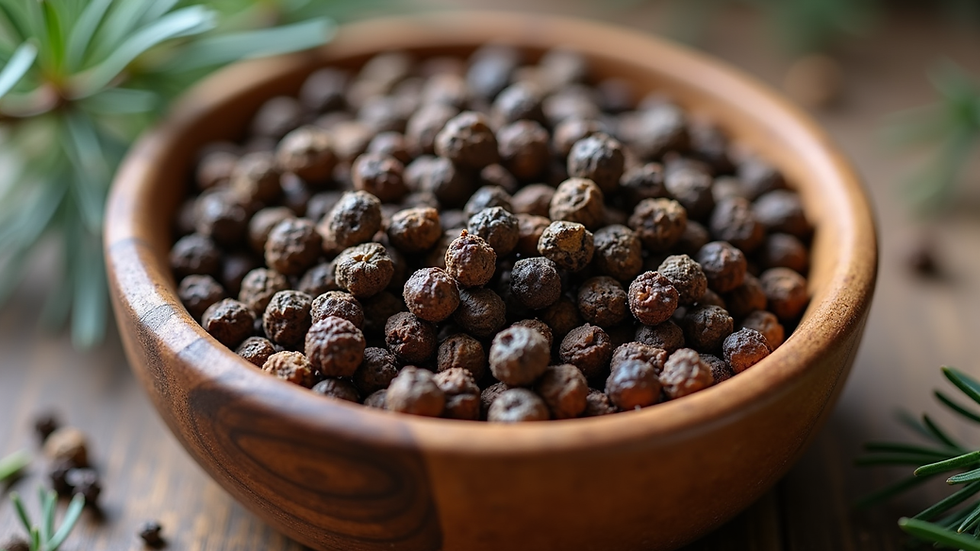
The Healing Powers: Uses of Juniper Berries in Natural Medicine
Beyond the kitchen, juniper berries have been valued for centuries in traditional medicine. Their natural compounds offer several health benefits, making them a popular choice for those seeking holistic wellness solutions.
Here are some of the medicinal uses I find most compelling:
Digestive aid: Juniper berries can help soothe digestive discomfort and promote healthy digestion. A tea made from crushed berries is often used to relieve bloating and indigestion.
Anti-inflammatory properties: The berries contain antioxidants that may reduce inflammation, which is helpful for conditions like arthritis.
Urinary tract support: Traditionally, juniper berry preparations have been used to support kidney and urinary tract health by promoting detoxification.
Antimicrobial effects: Some studies suggest juniper berries have natural antimicrobial properties, which can help fight infections.
When using juniper berries medicinally, it’s important to prepare them properly and consult with a healthcare professional, especially if you have existing health conditions or are pregnant.

What do you use juniper berries for?
I often get asked about the practical applications of juniper berries in everyday life. Whether you’re a cooking enthusiast or someone interested in natural remedies, there are plenty of ways to incorporate these berries into your routine.
Here are some ideas I recommend:
Homemade gin flavoring: Juniper berries are the key ingredient in gin, giving it that signature taste. You can infuse vodka with crushed berries to create your own homemade gin.
Herbal teas: Brew a simple tea by steeping crushed berries in hot water for 10-15 minutes. This can be a soothing drink after meals.
Natural air freshener: Simmer juniper berries with cinnamon sticks and citrus peels on the stove to fill your home with a fresh, woodsy scent.
Skin care: Infused oils made with juniper berries can be used topically to help with skin conditions like acne or eczema, thanks to their antiseptic properties.
Cooking spice blends: Mix crushed juniper berries with other spices like rosemary, thyme, and black pepper to create a flavorful rub for meats.
By experimenting with these uses, you can enjoy the full spectrum of benefits that juniper berries offer.
Tips for Harvesting and Storing Juniper Berries
If you’re lucky enough to find juniper bushes nearby, harvesting your own berries can be a rewarding experience. Here are some tips I’ve learned along the way:
Timing: Juniper berries take about two to three years to mature. They are ready to harvest when they turn a deep blue or purple color.
Harvesting: Use gloves to protect your hands from the sharp needles on the branches. Gently pick the ripe berries without damaging the plant.
Drying: Spread the berries out in a single layer in a cool, dry place. Allow them to dry completely before storing.
Storage: Keep dried berries in an airtight container away from direct sunlight. Properly stored, they can last up to a year.
Having a stash of dried juniper berries on hand means you’re always ready to add a natural boost to your cooking or wellness routine.
Embracing Natural Wellness with Juniper Berries
Incorporating juniper berries into your life is a wonderful way to connect with nature’s healing gifts. Whether you’re crafting a delicious meal or seeking gentle support for your health, these berries offer a unique blend of flavor and wellness benefits.
Remember, the key to enjoying juniper berries safely and effectively is to start small and observe how your body responds. With a little curiosity and care, you can make these natural treasures a part of your holistic lifestyle.
If you want to learn more about how to use juniper berries and other herbal remedies, keep exploring and experimenting. Nature has so much to offer, and I’m excited for you to discover it too!


Comments